Buy makestuff.eu ?
We are moving the project
makestuff.eu .
Are you interested in purchasing the domain
makestuff.eu ?
domain@kv-gmbh.de · 0541-91531010
Buy makestuff.eu ?
How do you mix a very thin, self-leveling leveling compound yourself?
To mix a very thin, self-leveling leveling compound yourself, start by pouring the recommended amount of clean, cool water into a clean mixing bucket. Then, slowly add the leveling compound powder while continuously mixing with a drill and paddle attachment. It's important to mix thoroughly to ensure a smooth and consistent consistency. Once mixed, pour the compound onto the floor and use a smoothing tool to spread it evenly. Allow it to self-level and dry according to the manufacturer's instructions. **
What is the difference between self-leveling floor leveling compound and flow screed?
Self-leveling floor leveling compound is a type of cementitious material that is used to smooth and level uneven concrete or plywood subfloors. It is designed to be poured onto the floor and it will level itself out to create a smooth and flat surface. Flow screed, on the other hand, is a liquid screed that is pumped onto the floor and then spread and leveled using a screed pump. It is a faster and more efficient way to level a floor compared to traditional sand and cement screed. Both products are used to create a level surface, but they differ in their application methods and drying times. **

Similar search terms for Self-leveling
Top-Angebote
Products related to Self-leveling:
-
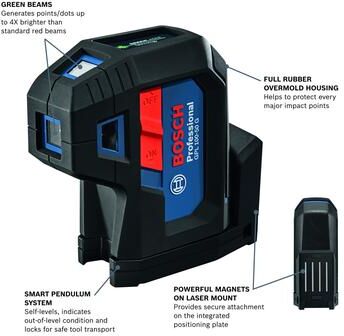
Bosch 5 beam Self Leveling 5 Dot Laser 125 ft.The Bosch GPL100-50G features a five-point, self-leveling laser with ±1/8 in. accuracy at 30 Ft. for up/down plumb, align, and level applications (the bottom point's accuracy is ±1/4 in. at 30 ft.).205,49 $*Shipping: 0,00 $Secure redirect to the provider
-
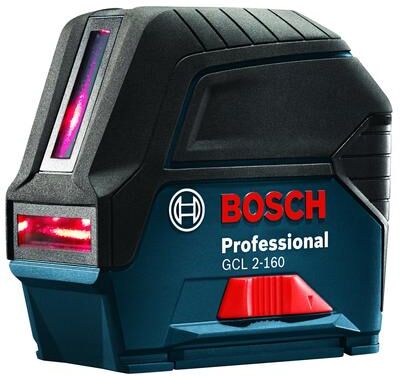
Bosch 2 beam Self Leveling Cross Line Laser 165 ft. 8 pcThe Bosch GCL 2-160 self-leveling cross-line laser with plumb points delivers all-in-one versatility, with highly visible lines and points that can be turned on independently or together for horizontal level, vertical level and plumb transfer…229,00 $*Shipping: 0,00 $Secure redirect to the provider
-
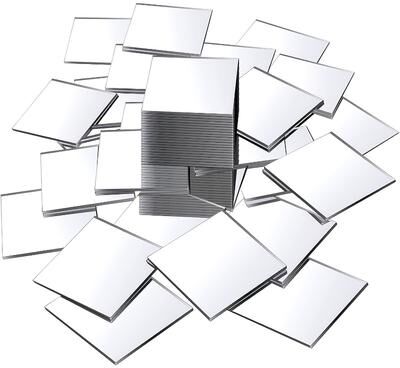
Fusion Finds Acrylic Mirror Stickers Self Adhesive Mirror Tiles For DIY Wall Decor & Crafts Acrylic Mirror Stickers Self Adhesive Mirror Tiles For DIY Wall Decor & CraftsCreate a brighter, more stylish space in minutes with these acrylic mirror stickers that add reflective charm without the weight or fragility of glass. Designed for DIY lovers, home decorators, and crafters, these selfadhesive mini mirror tiles...49,97 $*Shipping: 0,00 $Secure redirect to the provider
-
Inspired Finds Creative DIY Candle Sand Wax Colorful Pearl Granules For Handmade Candle Crafts 1.1lb PurpleLet your creativity glow with vibrant sand wax for candle making that transforms simple containers into beautiful handmade candles. These colorful wax granules make candle crafting easy, relaxing, and endlessly customizable for hobbyists,...34,99 $*Shipping: 0,00 $Secure redirect to the provider

-
How do I build a kitchen on self-leveling compound?
To build a kitchen on self-leveling compound, you will first need to prepare the subfloor by cleaning it thoroughly and ensuring it is free from any debris. Next, you will need to apply a primer to the subfloor to promote adhesion of the self-leveling compound. Once the primer has dried, you can mix and pour the self-leveling compound onto the subfloor, spreading it evenly with a trowel. Allow the compound to dry and cure according to the manufacturer's instructions before installing any kitchen flooring or cabinetry on top. It's important to follow the specific instructions provided by the manufacturer of the self-leveling compound to ensure a successful and durable kitchen floor. **
-
How much self-leveling compound is needed for 6 square meters?
The amount of self-leveling compound needed for 6 square meters will depend on the thickness of the layer you are applying. Typically, self-leveling compound is applied at a thickness of around 1-2mm. Assuming a thickness of 1mm, you would need 6 liters of self-leveling compound for 6 square meters. If you are applying a thicker layer, you would need more compound. It is always recommended to check the manufacturer's instructions for the specific product you are using to determine the exact coverage rate. **
-
Should the self-leveling compound be primed before applying the adhesive?
Yes, it is recommended to prime the self-leveling compound before applying the adhesive. Priming helps to improve the bond between the compound and the adhesive, ensuring a strong and durable bond. It also helps to prevent the adhesive from drying out too quickly, allowing for better adhesion and a smoother installation process. Overall, priming the self-leveling compound before applying the adhesive can help to ensure a successful and long-lasting flooring installation. **
-
What is the difference between self-leveling floor compound and flow screed?
Self-leveling floor compound is a type of flooring material that is used to smooth out uneven surfaces before installing a new floor covering. It is typically a cement-based product that is mixed with water and poured onto the floor, where it levels itself out. Flow screed, on the other hand, is a liquid screed that is pumped onto the floor and then spread out using a leveling tool. It is a more advanced and efficient method of creating a smooth and level surface compared to self-leveling floor compound. Additionally, flow screed is often quicker to install and dries faster than self-leveling floor compound. **

What is the alternative to using self-leveling compound to achieve a thick sound insulation?
An alternative to using self-leveling compound to achieve thick sound insulation is to use soundproof underlayment. Soundproof underlayment is a dense, rubber-like material that can be installed under flooring to reduce sound transmission. It is available in various thicknesses and can effectively reduce impact noise and airborne sound. Additionally, using thicker underlayment or combining it with other soundproofing materials can further enhance sound insulation without the need for self-leveling compound. **
What is leveling compound?
Leveling compound is a material used to smooth out uneven surfaces before installing flooring. It is typically a cement-based mixture that is poured or spread over the subfloor to create a flat and level surface. Leveling compound helps to correct minor imperfections and irregularities in the subfloor, ensuring a more even and stable base for the new flooring to be installed on top of. It is an important step in the flooring installation process to prevent issues such as uneven flooring, cracking, or shifting over time. **
Top-Angebote
Products related to Self-leveling:
-
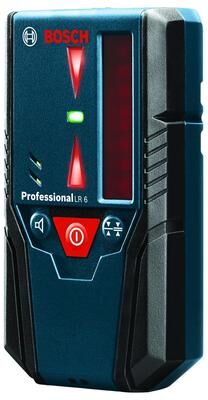
Bosch Self Leveling Laser Receiver 3 pcThe Bosch LR 6 Line Laser Receiver allows users of Dual-sided LED indicator for easy visual readout on both sides of the receiver Quick-release mounting bracket makes receiver easy to position, attaches on leveling rod Adjustable audio gives clear...98,81 $*Shipping: 0,00 $Secure redirect to the provider
-
Henry Pro Grade 928 Pitch Pocket & Self Leveling Sealer SingleThe Henry Pro Grade 928 Pitch Pocket & Self Leveling Sealer is a premium one-component sealant designed specifically for metal roof fasteners and metal pitch pockets. The Pro-Grade 928 sealant is mold and mildew resistant making it an ideal choice...25,04 $*Shipping: 0,00 $Secure redirect to the provider
-
Bosch 5 beam Self Leveling 5 Dot Laser 125 ft.The Bosch GPL100-50G features a five-point, self-leveling laser with ±1/8 in. accuracy at 30 Ft. for up/down plumb, align, and level applications (the bottom point's accuracy is ±1/4 in. at 30 ft.).205,49 $*Shipping: 0,00 $Secure redirect to the provider
-
Bosch 2 beam Self Leveling Cross Line Laser 165 ft. 8 pcThe Bosch GCL 2-160 self-leveling cross-line laser with plumb points delivers all-in-one versatility, with highly visible lines and points that can be turned on independently or together for horizontal level, vertical level and plumb transfer…229,00 $*Shipping: 0,00 $Secure redirect to the provider
-
How do you mix a very thin, self-leveling leveling compound yourself?
To mix a very thin, self-leveling leveling compound yourself, start by pouring the recommended amount of clean, cool water into a clean mixing bucket. Then, slowly add the leveling compound powder while continuously mixing with a drill and paddle attachment. It's important to mix thoroughly to ensure a smooth and consistent consistency. Once mixed, pour the compound onto the floor and use a smoothing tool to spread it evenly. Allow it to self-level and dry according to the manufacturer's instructions. **
-
What is the difference between self-leveling floor leveling compound and flow screed?
Self-leveling floor leveling compound is a type of cementitious material that is used to smooth and level uneven concrete or plywood subfloors. It is designed to be poured onto the floor and it will level itself out to create a smooth and flat surface. Flow screed, on the other hand, is a liquid screed that is pumped onto the floor and then spread and leveled using a screed pump. It is a faster and more efficient way to level a floor compared to traditional sand and cement screed. Both products are used to create a level surface, but they differ in their application methods and drying times. **
-
How do I build a kitchen on self-leveling compound?
To build a kitchen on self-leveling compound, you will first need to prepare the subfloor by cleaning it thoroughly and ensuring it is free from any debris. Next, you will need to apply a primer to the subfloor to promote adhesion of the self-leveling compound. Once the primer has dried, you can mix and pour the self-leveling compound onto the subfloor, spreading it evenly with a trowel. Allow the compound to dry and cure according to the manufacturer's instructions before installing any kitchen flooring or cabinetry on top. It's important to follow the specific instructions provided by the manufacturer of the self-leveling compound to ensure a successful and durable kitchen floor. **
-
How much self-leveling compound is needed for 6 square meters?
The amount of self-leveling compound needed for 6 square meters will depend on the thickness of the layer you are applying. Typically, self-leveling compound is applied at a thickness of around 1-2mm. Assuming a thickness of 1mm, you would need 6 liters of self-leveling compound for 6 square meters. If you are applying a thicker layer, you would need more compound. It is always recommended to check the manufacturer's instructions for the specific product you are using to determine the exact coverage rate. **
Similar search terms for Self-leveling
-
Fusion Finds Acrylic Mirror Stickers Self Adhesive Mirror Tiles For DIY Wall Decor & Crafts Acrylic Mirror Stickers Self Adhesive Mirror Tiles For DIY Wall Decor & CraftsCreate a brighter, more stylish space in minutes with these acrylic mirror stickers that add reflective charm without the weight or fragility of glass. Designed for DIY lovers, home decorators, and crafters, these selfadhesive mini mirror tiles...49,97 $*Shipping: 0,00 $Secure redirect to the provider
-
Inspired Finds Creative DIY Candle Sand Wax Colorful Pearl Granules For Handmade Candle Crafts 1.1lb PurpleLet your creativity glow with vibrant sand wax for candle making that transforms simple containers into beautiful handmade candles. These colorful wax granules make candle crafting easy, relaxing, and endlessly customizable for hobbyists,...34,99 $*Shipping: 0,00 $Secure redirect to the provider
-
Henry Pro Grade 928 Pitch Pocket & Self Leveling Sealer Carton of 24The Henry Pro Grade 928 Pitch Pocket & Self Leveling Sealer is a premium one-component sealant designed specifically for metal roof fasteners and metal pitch pockets. The Pro-Grade 928 sealant is mold and mildew resistant making it an ideal choice...377,99 $*Shipping: 0,00 $Secure redirect to the provider
-
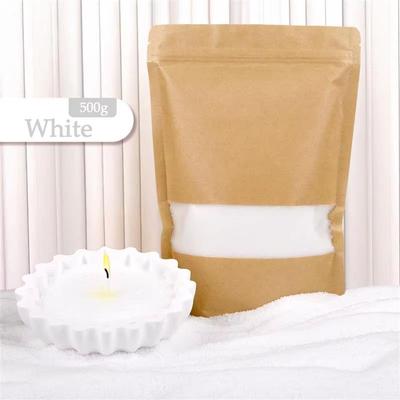
Inspired Finds Creative DIY Candle Sand Wax Colorful Pearl Granules For Handmade Candle Crafts 1.1lb WhiteLet your creativity glow with vibrant sand wax for candle making that transforms simple containers into beautiful handmade candles. These colorful wax granules make candle crafting easy, relaxing, and endlessly customizable for hobbyists,...34,99 $*Shipping: 0,00 $Secure redirect to the provider
-
Should the self-leveling compound be primed before applying the adhesive?
Yes, it is recommended to prime the self-leveling compound before applying the adhesive. Priming helps to improve the bond between the compound and the adhesive, ensuring a strong and durable bond. It also helps to prevent the adhesive from drying out too quickly, allowing for better adhesion and a smoother installation process. Overall, priming the self-leveling compound before applying the adhesive can help to ensure a successful and long-lasting flooring installation. **
-
What is the difference between self-leveling floor compound and flow screed?
Self-leveling floor compound is a type of flooring material that is used to smooth out uneven surfaces before installing a new floor covering. It is typically a cement-based product that is mixed with water and poured onto the floor, where it levels itself out. Flow screed, on the other hand, is a liquid screed that is pumped onto the floor and then spread out using a leveling tool. It is a more advanced and efficient method of creating a smooth and level surface compared to self-leveling floor compound. Additionally, flow screed is often quicker to install and dries faster than self-leveling floor compound. **
-
What is the alternative to using self-leveling compound to achieve a thick sound insulation?
An alternative to using self-leveling compound to achieve thick sound insulation is to use soundproof underlayment. Soundproof underlayment is a dense, rubber-like material that can be installed under flooring to reduce sound transmission. It is available in various thicknesses and can effectively reduce impact noise and airborne sound. Additionally, using thicker underlayment or combining it with other soundproofing materials can further enhance sound insulation without the need for self-leveling compound. **
-
What is leveling compound?
Leveling compound is a material used to smooth out uneven surfaces before installing flooring. It is typically a cement-based mixture that is poured or spread over the subfloor to create a flat and level surface. Leveling compound helps to correct minor imperfections and irregularities in the subfloor, ensuring a more even and stable base for the new flooring to be installed on top of. It is an important step in the flooring installation process to prevent issues such as uneven flooring, cracking, or shifting over time. **
* All prices are inclusive of VAT and, if applicable, plus shipping costs. The offer information is based on the details provided by the respective shop and is updated through automated processes. Real-time updates do not occur, so deviations can occur in individual cases. ** Note: Parts of this content were created by AI.