Buy makestuff.eu ?
We are moving the project
makestuff.eu .
Are you interested in purchasing the domain
makestuff.eu ?
domain@kv-gmbh.de · 0541-91531010
Buy makestuff.eu ?
What are combustible nonmetals?
Combustible nonmetals are elements that are not metals and have the ability to burn or ignite when exposed to oxygen and a heat source. These elements typically form flammable compounds and can undergo combustion reactions to produce heat and light. Some examples of combustible nonmetals include carbon, sulfur, and phosphorus. These elements are important in various industrial processes and are also found in everyday materials such as matches and fireworks. **
What are nonmetals in chemistry?
Nonmetals are a group of elements in the periodic table that lack the typical characteristics of metals. They are generally poor conductors of heat and electricity, and they tend to have lower melting and boiling points compared to metals. Nonmetals can be found in various forms, including gases (such as oxygen and nitrogen), solids (such as sulfur and carbon), and liquids (such as bromine). They are essential for various chemical reactions and are often used in the production of a wide range of products, from plastics to pharmaceuticals. **


Similar search terms for Nonmetals
Top-Angebote
Products related to Nonmetals:
-
Inspired Finds Creative DIY Candle Sand Wax Colorful Pearl Granules For Handmade Candle Crafts 1.1lb GreenLet your creativity glow with vibrant sand wax for candle making that transforms simple containers into beautiful handmade candles. These colorful wax granules make candle crafting easy, relaxing, and endlessly customizable for hobbyists,...34,99 $*Shipping: 0,00 $Secure redirect to the provider
-
Inspired Finds Creative DIY Candle Sand Wax Colorful Pearl Granules For Handmade Candle Crafts 2.2lb WhiteLet your creativity glow with vibrant sand wax for candle making that transforms simple containers into beautiful handmade candles. These colorful wax granules make candle crafting easy, relaxing, and endlessly customizable for hobbyists,...62,99 $*Shipping: 0,00 $Secure redirect to the provider
-
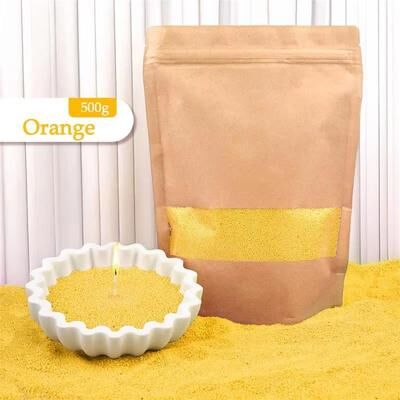
Inspired Finds Creative DIY Candle Sand Wax Colorful Pearl Granules For Handmade Candle Crafts 1.1lb OrangeLet your creativity glow with vibrant sand wax for candle making that transforms simple containers into beautiful handmade candles. These colorful wax granules make candle crafting easy, relaxing, and endlessly customizable for hobbyists,...34,99 $*Shipping: 0,00 $Secure redirect to the provider
-
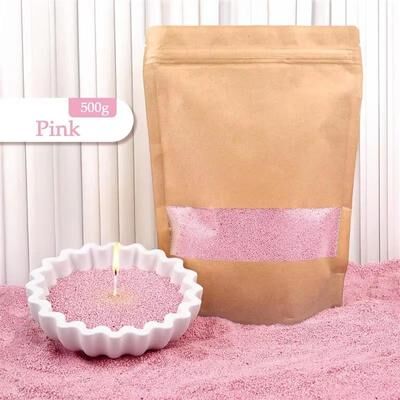
Inspired Finds Creative DIY Candle Sand Wax Colorful Pearl Granules For Handmade Candle Crafts 1.1lb PinkLet your creativity glow with vibrant sand wax for candle making that transforms simple containers into beautiful handmade candles. These colorful wax granules make candle crafting easy, relaxing, and endlessly customizable for hobbyists,...34,99 $*Shipping: 0,00 $Secure redirect to the provider


-
Are salts nonmetals or metals?
Salts are compounds formed from the reaction between an acid and a base. They can be made up of both nonmetals and metals. For example, table salt (sodium chloride) is made up of the metal sodium and the nonmetal chlorine. Therefore, salts can contain both nonmetals and metals. **
-
What is the nomenclature of nonmetals?
Nonmetals are named using the suffix "-ine" when they are in their elemental form. For example, chlorine, fluorine, and iodine are all nonmetals. Nonmetals can also be named using prefixes to indicate the number of atoms present in a molecule, such as in carbon dioxide or sulfur hexafluoride. Additionally, some nonmetals have common names that are widely used, such as oxygen and nitrogen. **
-
What is the designation of nonmetals?
Nonmetals are designated as elements that lack the typical characteristics of metals, such as luster, malleability, and conductivity. They are located on the right side of the periodic table and include elements like carbon, oxygen, and nitrogen. Nonmetals generally have lower melting and boiling points compared to metals and tend to form acidic or neutral oxides when they react with other elements. **
-
When two metals or two nonmetals are combined, which of the two nonmetals is written first with the symbol?
When two nonmetals are combined, the nonmetal that is written first with the symbol is the one that is lower in the periodic table. This is because the element that is lower in the periodic table is typically more metallic in nature compared to the one higher up. For example, in the compound carbon dioxide (CO2), carbon is written first because it is lower in the periodic table compared to oxygen. **


How can nonmetals achieve the noble gas state?
Nonmetals can achieve the noble gas state by gaining or sharing electrons to attain a full outer electron shell, similar to the configuration of noble gases. This can be achieved through forming covalent bonds with other nonmetals or by gaining electrons to form anions. By achieving a stable electron configuration, nonmetals can reach a more stable and lower energy state, similar to the noble gases. **
Does the octet rule only apply to nonmetals?
No, the octet rule does not only apply to nonmetals. The octet rule states that atoms tend to gain, lose, or share electrons in order to have a full outer shell of 8 electrons, which is the most stable configuration. This applies to both nonmetals and metals. However, there are some exceptions to the octet rule for certain elements, particularly those in the third row of the periodic table and beyond. **
Top-Angebote
Products related to Nonmetals:
-
Inspired Finds Creative DIY Candle Sand Wax Colorful Pearl Granules For Handmade Candle Crafts 1.1lb PurpleLet your creativity glow with vibrant sand wax for candle making that transforms simple containers into beautiful handmade candles. These colorful wax granules make candle crafting easy, relaxing, and endlessly customizable for hobbyists,...34,99 $*Shipping: 0,00 $Secure redirect to the provider
-
Inspired Finds Creative DIY Candle Sand Wax Colorful Pearl Granules For Handmade Candle Crafts 1.1lb WhiteLet your creativity glow with vibrant sand wax for candle making that transforms simple containers into beautiful handmade candles. These colorful wax granules make candle crafting easy, relaxing, and endlessly customizable for hobbyists,...34,99 $*Shipping: 0,00 $Secure redirect to the provider
-
Inspired Finds Creative DIY Candle Sand Wax Colorful Pearl Granules For Handmade Candle Crafts 1.1lb GreenLet your creativity glow with vibrant sand wax for candle making that transforms simple containers into beautiful handmade candles. These colorful wax granules make candle crafting easy, relaxing, and endlessly customizable for hobbyists,...34,99 $*Shipping: 0,00 $Secure redirect to the provider
-
Inspired Finds Creative DIY Candle Sand Wax Colorful Pearl Granules For Handmade Candle Crafts 2.2lb WhiteLet your creativity glow with vibrant sand wax for candle making that transforms simple containers into beautiful handmade candles. These colorful wax granules make candle crafting easy, relaxing, and endlessly customizable for hobbyists,...62,99 $*Shipping: 0,00 $Secure redirect to the provider
-
What are combustible nonmetals?
Combustible nonmetals are elements that are not metals and have the ability to burn or ignite when exposed to oxygen and a heat source. These elements typically form flammable compounds and can undergo combustion reactions to produce heat and light. Some examples of combustible nonmetals include carbon, sulfur, and phosphorus. These elements are important in various industrial processes and are also found in everyday materials such as matches and fireworks. **
-
What are nonmetals in chemistry?
Nonmetals are a group of elements in the periodic table that lack the typical characteristics of metals. They are generally poor conductors of heat and electricity, and they tend to have lower melting and boiling points compared to metals. Nonmetals can be found in various forms, including gases (such as oxygen and nitrogen), solids (such as sulfur and carbon), and liquids (such as bromine). They are essential for various chemical reactions and are often used in the production of a wide range of products, from plastics to pharmaceuticals. **
-
Are salts nonmetals or metals?
Salts are compounds formed from the reaction between an acid and a base. They can be made up of both nonmetals and metals. For example, table salt (sodium chloride) is made up of the metal sodium and the nonmetal chlorine. Therefore, salts can contain both nonmetals and metals. **
-
What is the nomenclature of nonmetals?
Nonmetals are named using the suffix "-ine" when they are in their elemental form. For example, chlorine, fluorine, and iodine are all nonmetals. Nonmetals can also be named using prefixes to indicate the number of atoms present in a molecule, such as in carbon dioxide or sulfur hexafluoride. Additionally, some nonmetals have common names that are widely used, such as oxygen and nitrogen. **
Similar search terms for Nonmetals
-
Inspired Finds Creative DIY Candle Sand Wax Colorful Pearl Granules For Handmade Candle Crafts 1.1lb OrangeLet your creativity glow with vibrant sand wax for candle making that transforms simple containers into beautiful handmade candles. These colorful wax granules make candle crafting easy, relaxing, and endlessly customizable for hobbyists,...34,99 $*Shipping: 0,00 $Secure redirect to the provider
-
Inspired Finds Creative DIY Candle Sand Wax Colorful Pearl Granules For Handmade Candle Crafts 1.1lb PinkLet your creativity glow with vibrant sand wax for candle making that transforms simple containers into beautiful handmade candles. These colorful wax granules make candle crafting easy, relaxing, and endlessly customizable for hobbyists,...34,99 $*Shipping: 0,00 $Secure redirect to the provider
-
Inspired Finds Creative DIY Candle Sand Wax Colorful Pearl Granules For Handmade Candle Crafts 1.1lb BlackLet your creativity glow with vibrant sand wax for candle making that transforms simple containers into beautiful handmade candles. These colorful wax granules make candle crafting easy, relaxing, and endlessly customizable for hobbyists,...34,99 $*Shipping: 0,00 $Secure redirect to the provider
-
Inspired Finds Creative DIY Candle Sand Wax Colorful Pearl Granules For Handmade Candle Crafts 1.1lb GreyLet your creativity glow with vibrant sand wax for candle making that transforms simple containers into beautiful handmade candles. These colorful wax granules make candle crafting easy, relaxing, and endlessly customizable for hobbyists,...34,99 $*Shipping: 0,00 $Secure redirect to the provider
-
What is the designation of nonmetals?
Nonmetals are designated as elements that lack the typical characteristics of metals, such as luster, malleability, and conductivity. They are located on the right side of the periodic table and include elements like carbon, oxygen, and nitrogen. Nonmetals generally have lower melting and boiling points compared to metals and tend to form acidic or neutral oxides when they react with other elements. **
-
When two metals or two nonmetals are combined, which of the two nonmetals is written first with the symbol?
When two nonmetals are combined, the nonmetal that is written first with the symbol is the one that is lower in the periodic table. This is because the element that is lower in the periodic table is typically more metallic in nature compared to the one higher up. For example, in the compound carbon dioxide (CO2), carbon is written first because it is lower in the periodic table compared to oxygen. **
-
How can nonmetals achieve the noble gas state?
Nonmetals can achieve the noble gas state by gaining or sharing electrons to attain a full outer electron shell, similar to the configuration of noble gases. This can be achieved through forming covalent bonds with other nonmetals or by gaining electrons to form anions. By achieving a stable electron configuration, nonmetals can reach a more stable and lower energy state, similar to the noble gases. **
-
Does the octet rule only apply to nonmetals?
No, the octet rule does not only apply to nonmetals. The octet rule states that atoms tend to gain, lose, or share electrons in order to have a full outer shell of 8 electrons, which is the most stable configuration. This applies to both nonmetals and metals. However, there are some exceptions to the octet rule for certain elements, particularly those in the third row of the periodic table and beyond. **
* All prices are inclusive of VAT and, if applicable, plus shipping costs. The offer information is based on the details provided by the respective shop and is updated through automated processes. Real-time updates do not occur, so deviations can occur in individual cases. ** Note: Parts of this content were created by AI.