Buy makestuff.eu ?
We are moving the project
makestuff.eu .
Are you interested in purchasing the domain
makestuff.eu ?
domain@kv-gmbh.de · 0541-91531010
Buy makestuff.eu ?
Is this fern poisonous?
No, the fern in the image is not poisonous. It is a Boston fern, which is safe for humans and pets. Boston ferns are non-toxic and are commonly used as houseplants or in landscaping. **
What is a fern?
A fern is a type of plant that reproduces via spores rather than seeds. They are known for their feathery, green fronds and are typically found in damp, shady environments such as forests, swamps, and riverbanks. Ferns have a unique vascular system that allows them to transport water and nutrients throughout the plant. They are an ancient group of plants that have been around for millions of years and are valued for their ornamental beauty in gardens and landscapes. **

Similar search terms for Fern
Top-Angebote
Products related to Fern:
-
Creative Labs Real Touch Hydrangea and Fern Arrangement - 23Transform your living space with a centerpiece that combines beauty and practicality. Our faux floral arrangement features incredibly lifelike hydrangeas and ferns, anchored in a weighted glass vase filled with trailing succulent vines.134,99 $*Shipping: 0,00 $Secure redirect to the provider
-
Nearly Natural "23"" Artificial Boston Fern Plant with Handmade Jute & Cotton Basket DIY KIT"Includes: Basket, Faux Tree, Rectangular Cardboard, Styrofoam, Spanish Moss Difficulty: Perfect for beginners Estimated time: 5 minutes or less No need to venture deep into the jungle to bring a lush look into your home!61,99 $*Shipping: 0,00 $Secure redirect to the provider
-
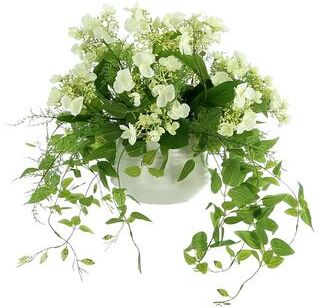
Creative Labs Budding Hydrangea Arrangement in Rippled Vase with Tradescantia and Fern - White, GreenIntroducing the budding hydrangea floral arrangement! Designed to bring the natural beauty of the outdoors into your home or office, this handcrafted arrangement is perfect for adding life and energy to any space.132,49 $*Shipping: 0,00 $Secure redirect to the provider


-
How can I save my fern?
To save your fern, make sure it is getting the right amount of light, water, and humidity. Ferns typically prefer indirect light and consistently moist soil. Ensure the plant is not sitting in water, as this can lead to root rot. You can also try misting the leaves or placing a humidifier nearby to increase humidity levels. Additionally, consider repotting the fern in fresh, well-draining soil if it appears root-bound or if the current soil is compacted. **
-
'How can I save this fern?'
To save a fern, you can start by assessing its current condition and addressing any issues it may be facing. Ensure that the fern is receiving the right amount of light, water, and humidity. Trim any yellow or brown fronds and remove any dead or decaying plant matter. Repot the fern if it is rootbound, and consider adding some fertilizer to promote healthy growth. With proper care and attention, your fern should start to thrive again. **
-
Is 'fern' written in uppercase or lowercase?
'Fern' is written in lowercase. **
-
Is "fern" written in uppercase or lowercase?
The word "fern" is typically written in lowercase. **

Why is my Java fern getting algae?
Algae growth on a Java fern can be due to excess light exposure. Java ferns prefer low to moderate light levels, so if they are exposed to too much light, algae can thrive and grow on their leaves. Additionally, poor water quality, such as high levels of nutrients or organic waste, can also contribute to algae growth on Java ferns. It is important to maintain a proper balance of light, nutrients, and water quality to prevent algae from overtaking your Java fern. **
Which parasites can occur on Java fern?
Java fern can be susceptible to various parasites such as snails, planaria, and algae. Snails can feed on the leaves of the plant, causing damage and hindering its growth. Planaria are flatworms that can also feed on the plant, leading to deterioration. Additionally, algae can grow on the leaves of the Java fern, competing for nutrients and light, which can weaken the plant. Regular monitoring and proper maintenance can help prevent and control these parasites on Java fern. **
Top-Angebote
Products related to Fern:
-
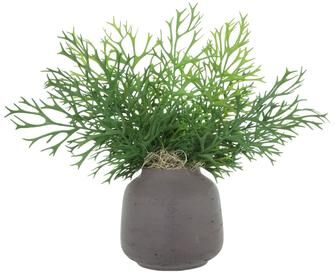
Creative Labs Staghorn Fern in Fiberstone VaseIntroduce a striking, organic presence to your interior with this premium faux staghorn fern arrangement. Showcasing the unique texture of the natural plant, it offers an eye-catching focal point that stays flawlessly green year-round.89,99 $*Shipping: 0,00 $Secure redirect to the provider
-
Creative Labs Real Touch Hydrangea and Fern Arrangement - 23Transform your living space with a centerpiece that combines beauty and practicality. Our faux floral arrangement features incredibly lifelike hydrangeas and ferns, anchored in a weighted glass vase filled with trailing succulent vines.134,99 $*Shipping: 0,00 $Secure redirect to the provider
-
Is this fern poisonous?
No, the fern in the image is not poisonous. It is a Boston fern, which is safe for humans and pets. Boston ferns are non-toxic and are commonly used as houseplants or in landscaping. **
-
What is a fern?
A fern is a type of plant that reproduces via spores rather than seeds. They are known for their feathery, green fronds and are typically found in damp, shady environments such as forests, swamps, and riverbanks. Ferns have a unique vascular system that allows them to transport water and nutrients throughout the plant. They are an ancient group of plants that have been around for millions of years and are valued for their ornamental beauty in gardens and landscapes. **
-
How can I save my fern?
To save your fern, make sure it is getting the right amount of light, water, and humidity. Ferns typically prefer indirect light and consistently moist soil. Ensure the plant is not sitting in water, as this can lead to root rot. You can also try misting the leaves or placing a humidifier nearby to increase humidity levels. Additionally, consider repotting the fern in fresh, well-draining soil if it appears root-bound or if the current soil is compacted. **
-
'How can I save this fern?'
To save a fern, you can start by assessing its current condition and addressing any issues it may be facing. Ensure that the fern is receiving the right amount of light, water, and humidity. Trim any yellow or brown fronds and remove any dead or decaying plant matter. Repot the fern if it is rootbound, and consider adding some fertilizer to promote healthy growth. With proper care and attention, your fern should start to thrive again. **
Similar search terms for Fern
-
Nearly Natural "23"" Artificial Boston Fern Plant with Handmade Jute & Cotton Basket DIY KIT"Includes: Basket, Faux Tree, Rectangular Cardboard, Styrofoam, Spanish Moss Difficulty: Perfect for beginners Estimated time: 5 minutes or less No need to venture deep into the jungle to bring a lush look into your home!61,99 $*Shipping: 0,00 $Secure redirect to the provider
-
Creative Labs Budding Hydrangea Arrangement in Rippled Vase with Tradescantia and Fern - White, GreenIntroducing the budding hydrangea floral arrangement! Designed to bring the natural beauty of the outdoors into your home or office, this handcrafted arrangement is perfect for adding life and energy to any space.132,49 $*Shipping: 0,00 $Secure redirect to the provider
-
Advantage Holzer White Fern WallpaperThe elegance of botanical accents has been elevated in this wallpaper. White embossed ferns are finished with glitter, the leaves' metallic silver shadows silhouetting a cool white backdrop. Holzer is an unpasted, non woven wallpaper.39,49 $*Shipping: 0,00 $Secure redirect to the provider
-
Abigail Ahern Wanderlust Fern WallpaperWanderlust Fern is an enchanting wallpaper that evokes a sense of adventure and elegance. With its stunning blend of tones and textures, from deep forest green, to sage, with a white undertone, creating a sophisticated and opulent ambiance.180,00 $*Shipping: 0,00 $Secure redirect to the provider
-
Is 'fern' written in uppercase or lowercase?
'Fern' is written in lowercase. **
-
Is "fern" written in uppercase or lowercase?
The word "fern" is typically written in lowercase. **
-
Why is my Java fern getting algae?
Algae growth on a Java fern can be due to excess light exposure. Java ferns prefer low to moderate light levels, so if they are exposed to too much light, algae can thrive and grow on their leaves. Additionally, poor water quality, such as high levels of nutrients or organic waste, can also contribute to algae growth on Java ferns. It is important to maintain a proper balance of light, nutrients, and water quality to prevent algae from overtaking your Java fern. **
-
Which parasites can occur on Java fern?
Java fern can be susceptible to various parasites such as snails, planaria, and algae. Snails can feed on the leaves of the plant, causing damage and hindering its growth. Planaria are flatworms that can also feed on the plant, leading to deterioration. Additionally, algae can grow on the leaves of the Java fern, competing for nutrients and light, which can weaken the plant. Regular monitoring and proper maintenance can help prevent and control these parasites on Java fern. **
* All prices are inclusive of VAT and, if applicable, plus shipping costs. The offer information is based on the details provided by the respective shop and is updated through automated processes. Real-time updates do not occur, so deviations can occur in individual cases. ** Note: Parts of this content were created by AI.