Buy makestuff.eu ?
We are moving the project
makestuff.eu .
Are you interested in purchasing the domain
makestuff.eu ?
domain@kv-gmbh.de · 0541-91531010
Buy makestuff.eu ?
What filters best, ash, charcoal, or activated charcoal?
Activated charcoal is the best filter among the three options. It has a larger surface area and more porous structure, allowing it to effectively trap and remove impurities from air and water. Ash and regular charcoal may also have some filtering properties, but they are not as effective as activated charcoal. Therefore, when it comes to filtering, activated charcoal is the superior choice. **
Why does the water turn blue with homemade activated charcoal?
The water turns blue with homemade activated charcoal because the charcoal is able to absorb impurities and toxins from the water, leaving it clear and clean. The blue color is likely a result of the charcoal's ability to remove organic compounds and other contaminants that can cause discoloration. As the charcoal absorbs these impurities, the water becomes clearer and takes on a blue hue. **
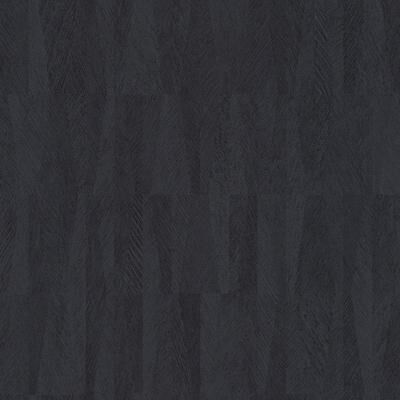

Similar search terms for Advantage-Sutton-Charcoal-Textured
Top-Angebote
Products related to Advantage-Sutton-Charcoal-Textured:
-
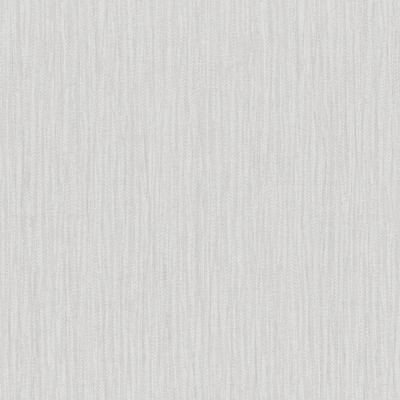
Advantage Abel Gold Textured WallpaperBring elegant dimension to neutral interiors with this textural design. The vertical gold and taupe stripes seem woven together, raised ink detailing adding a tactile element to the faux fabric look. Abel is an unpasted, vinyl on paper wallpaper.53,49 $*Shipping: 0,00 $Secure redirect to the provider
-
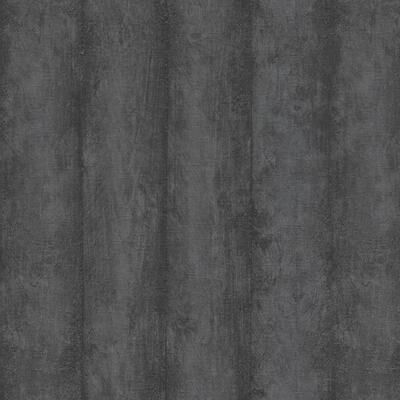
Advantage Flint Charcoal Wood WallpaperEnjoy the refined and rustic appeal of wood paneling without the costly install with this wallpaper. The wide vertical panels are stained smokey grey, with raised inks mimicking the feel of real woodgrain.56,49 $*Shipping: 0,00 $Secure redirect to the provider


-
Who produces charcoal?
Charcoal is typically produced by burning wood in a low-oxygen environment, a process known as pyrolysis. This can be done on a small scale by individuals for personal use or on a larger scale by commercial operations. Charcoal is also produced as a byproduct of other industries, such as the production of steel or sugar. **
-
Is charcoal dangerous?
Charcoal itself is not inherently dangerous, but it can pose risks if not used properly. When burned, charcoal produces carbon monoxide, a colorless, odorless gas that can be harmful or even deadly if inhaled in high concentrations. Therefore, it is important to always use charcoal in a well-ventilated area to prevent the buildup of carbon monoxide. Additionally, ingesting charcoal can be dangerous and should be avoided. Overall, when used safely and responsibly, charcoal can be a useful and effective fuel source for cooking and heating. **
-
Which option is better: textured wallpaper or textured paint?
The choice between textured wallpaper and textured paint ultimately depends on personal preference and the specific needs of the space. Textured wallpaper can add depth and dimension to a room, but it may be more difficult to install and remove compared to textured paint. Textured paint, on the other hand, is easier to apply and can be customized to achieve different textures and effects. Consider factors such as maintenance, cost, and desired aesthetic when deciding between the two options. **
-
Is it possible to use charcoal instead of activated charcoal?
While charcoal and activated charcoal may look similar, they are not the same. Activated charcoal has been specially treated to increase its surface area and make it more porous, which enhances its ability to adsorb toxins and impurities. Regular charcoal, on the other hand, may not have the same adsorption capabilities. Therefore, it is not recommended to use regular charcoal as a substitute for activated charcoal in medical or purification applications. **
Which option do you prefer, textured plaster or textured wallpaper?
I prefer textured plaster over textured wallpaper. Textured plaster provides a more authentic and natural look, as it is applied directly to the wall and can be customized to suit the specific design aesthetic. Additionally, textured plaster is more durable and long-lasting compared to textured wallpaper, which can peel or tear over time. Overall, I find textured plaster to be a more versatile and visually appealing option for adding texture to a space. **
How can you apply textured plaster on a textured wallpaper?
To apply textured plaster on a textured wallpaper, you will first need to prepare the wallpaper by cleaning it thoroughly and allowing it to dry completely. Then, apply a primer to the wallpaper to create a smooth surface for the textured plaster to adhere to. Once the primer is dry, you can apply the textured plaster using a trowel or a putty knife, working in small sections to ensure even coverage. After the plaster has been applied, you can use a textured roller or a brush to create the desired texture. Allow the plaster to dry completely before applying any paint or sealant. **
Top-Angebote
Products related to Advantage-Sutton-Charcoal-Textured:
-
Advantage Sutton Charcoal Textured Geometric WallpaperBring a sense of polish to your interiors with this textural design. The cool charcoal hues and subtle geometric design, rich with textural raised ink detailing, will add subtle dimension and a sense of completeness to your space.47,39 $*Shipping: 0,00 $Secure redirect to the provider
-
Advantage Sutton Silver Textured Geometric WallpaperThis textural geometric design is the perfect polished touch for your walls. The light grey surface is scored with a geometric design composed of raised inks accentuated by glittering silver. Sutton is an unpasted, vinyl on non woven wallpaper.63,49 $*Shipping: 0,00 $Secure redirect to the provider
-
Advantage Abel Gold Textured WallpaperBring elegant dimension to neutral interiors with this textural design. The vertical gold and taupe stripes seem woven together, raised ink detailing adding a tactile element to the faux fabric look. Abel is an unpasted, vinyl on paper wallpaper.53,49 $*Shipping: 0,00 $Secure redirect to the provider
-
What filters best, ash, charcoal, or activated charcoal?
Activated charcoal is the best filter among the three options. It has a larger surface area and more porous structure, allowing it to effectively trap and remove impurities from air and water. Ash and regular charcoal may also have some filtering properties, but they are not as effective as activated charcoal. Therefore, when it comes to filtering, activated charcoal is the superior choice. **
-
Why does the water turn blue with homemade activated charcoal?
The water turns blue with homemade activated charcoal because the charcoal is able to absorb impurities and toxins from the water, leaving it clear and clean. The blue color is likely a result of the charcoal's ability to remove organic compounds and other contaminants that can cause discoloration. As the charcoal absorbs these impurities, the water becomes clearer and takes on a blue hue. **
-
Who produces charcoal?
Charcoal is typically produced by burning wood in a low-oxygen environment, a process known as pyrolysis. This can be done on a small scale by individuals for personal use or on a larger scale by commercial operations. Charcoal is also produced as a byproduct of other industries, such as the production of steel or sugar. **
-
Is charcoal dangerous?
Charcoal itself is not inherently dangerous, but it can pose risks if not used properly. When burned, charcoal produces carbon monoxide, a colorless, odorless gas that can be harmful or even deadly if inhaled in high concentrations. Therefore, it is important to always use charcoal in a well-ventilated area to prevent the buildup of carbon monoxide. Additionally, ingesting charcoal can be dangerous and should be avoided. Overall, when used safely and responsibly, charcoal can be a useful and effective fuel source for cooking and heating. **
Similar search terms for Advantage-Sutton-Charcoal-Textured
-
Advantage Flint Charcoal Wood WallpaperEnjoy the refined and rustic appeal of wood paneling without the costly install with this wallpaper. The wide vertical panels are stained smokey grey, with raised inks mimicking the feel of real woodgrain.56,49 $*Shipping: 0,00 $Secure redirect to the provider
-
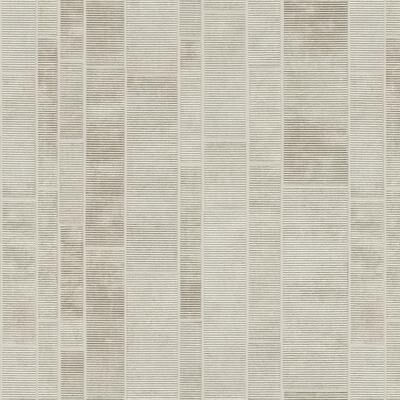
Advantage Redmond Ivory Textured Geometric WallpaperAdd architectural elegance to your walls with this modern geometric. The pearlescent ivory design is broken up into ridged columns of various size and thickness, adding modern-industrial dimension to your walls.55,84 $*Shipping: 0,00 $Secure redirect to the provider
-
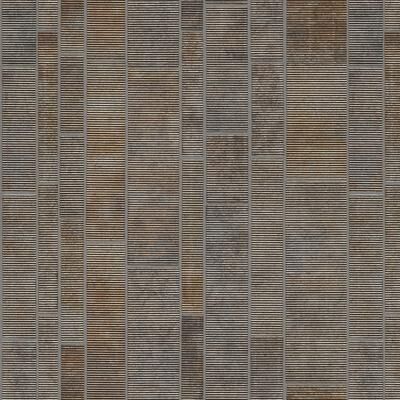
Advantage Redmond Sterling Textured Geometric WallpaperEnjoy chic, industrial flair with this architectural wallpaper. Block of various thickness and size have the look of weathered metal sheets, complete with a tactile ridged finish. Redmond is an unpasted, vinyl on non woven wallpaper.79,98 $*Shipping: 0,00 $Secure redirect to the provider
-
Which option is better: textured wallpaper or textured paint?
The choice between textured wallpaper and textured paint ultimately depends on personal preference and the specific needs of the space. Textured wallpaper can add depth and dimension to a room, but it may be more difficult to install and remove compared to textured paint. Textured paint, on the other hand, is easier to apply and can be customized to achieve different textures and effects. Consider factors such as maintenance, cost, and desired aesthetic when deciding between the two options. **
-
Is it possible to use charcoal instead of activated charcoal?
While charcoal and activated charcoal may look similar, they are not the same. Activated charcoal has been specially treated to increase its surface area and make it more porous, which enhances its ability to adsorb toxins and impurities. Regular charcoal, on the other hand, may not have the same adsorption capabilities. Therefore, it is not recommended to use regular charcoal as a substitute for activated charcoal in medical or purification applications. **
-
Which option do you prefer, textured plaster or textured wallpaper?
I prefer textured plaster over textured wallpaper. Textured plaster provides a more authentic and natural look, as it is applied directly to the wall and can be customized to suit the specific design aesthetic. Additionally, textured plaster is more durable and long-lasting compared to textured wallpaper, which can peel or tear over time. Overall, I find textured plaster to be a more versatile and visually appealing option for adding texture to a space. **
-
How can you apply textured plaster on a textured wallpaper?
To apply textured plaster on a textured wallpaper, you will first need to prepare the wallpaper by cleaning it thoroughly and allowing it to dry completely. Then, apply a primer to the wallpaper to create a smooth surface for the textured plaster to adhere to. Once the primer is dry, you can apply the textured plaster using a trowel or a putty knife, working in small sections to ensure even coverage. After the plaster has been applied, you can use a textured roller or a brush to create the desired texture. Allow the plaster to dry completely before applying any paint or sealant. **
* All prices are inclusive of VAT and, if applicable, plus shipping costs. The offer information is based on the details provided by the respective shop and is updated through automated processes. Real-time updates do not occur, so deviations can occur in individual cases. ** Note: Parts of this content were created by AI.