Buy makestuff.eu ?
We are moving the project
makestuff.eu .
Are you interested in purchasing the domain
makestuff.eu ?
domain@kv-gmbh.de · 0541-91531010
Buy makestuff.eu ?
What is the difference between solid stone masonry and solid masonry?
Solid stone masonry refers to construction using natural stones like granite, marble, or limestone, while solid masonry includes any type of solid material like bricks, concrete blocks, or stones. Solid stone masonry is known for its durability, aesthetic appeal, and higher cost compared to other materials. On the other hand, solid masonry can be more versatile in terms of material options and cost-effective, but may not have the same visual impact as solid stone masonry. **
Which plaster is used for rubble stone masonry?
Cement plaster is commonly used for rubble stone masonry. It provides a strong and durable finish that helps to bind the irregularly shaped stones together. Cement plaster also helps to protect the stones from weathering and erosion, making it a suitable choice for this type of construction. **


Similar search terms for Advantage-Masonry-Neutral-Stone
Top-Angebote
Products related to Advantage-Masonry-Neutral-Stone:
-
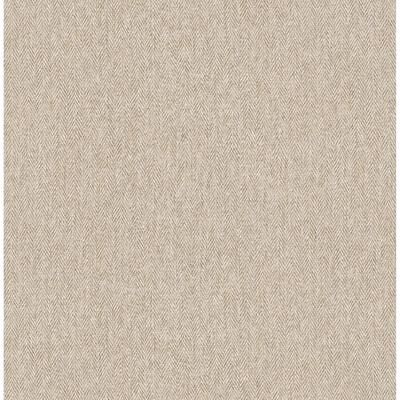
Advantage Cumulus Neutral Clouds WallpaperCream and grey picturesque clouds float through calm taupe skies in this dreamy wallpaper print. Cumulus is an unpasted, non woven wallpaper measuring 20.5 inches wide by 33 feet long, covering approximately About 56.4 square feet square feet per roll.60,96 $*Shipping: 0,00 $Secure redirect to the provider
-
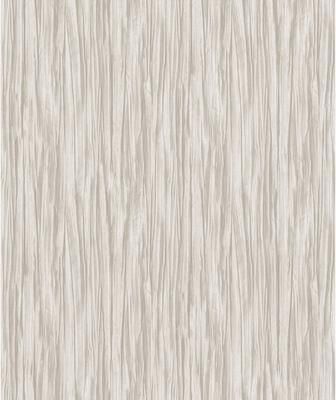
Advantage Muir Neutral Geo WallpaperAdd a refined and masculine finish to your space with this geometric design. Reminiscent of tilework, this wallpaper features an array of brown and grey geometrics outlined in muted gold. Muir is an unpasted, vinyl on non woven wallpaper.57,99 $*Shipping: 0,00 $Secure redirect to the provider


-
What type of plaster is used for rubble stone masonry?
The type of plaster used for rubble stone masonry is typically a lime-based plaster. Lime plaster is well-suited for rubble stone masonry because it is flexible and allows for movement in the masonry without cracking. It also helps to protect the stone from weathering and erosion while allowing the masonry to breathe and release moisture. Additionally, lime plaster has been traditionally used with rubble stone masonry for its compatibility with the natural materials and its ability to provide a durable and aesthetically pleasing finish. **
-
How deep does the masonry stone need to be chiseled out?
The depth to which the masonry stone needs to be chiseled out depends on the specific project and the requirements of the design. Typically, the depth of the chiseling will be determined by the thickness of the mortar joint and the type of stone being used. It is important to follow the specifications provided by the architect or engineer to ensure that the chiseling is done to the correct depth for the structural integrity and aesthetic appeal of the project. Additionally, the depth of the chiseling may also be influenced by the type of wall or structure being built, as different applications may require different depths for the stone to be chiseled out. **
-
How can you build a DIY aquarium air stone?
To build a DIY aquarium air stone, you can start by gathering a small piece of porous material like a small stone or a piece of ceramic. Next, drill small holes into the material using a small drill bit. Connect an airline tubing to the drilled material using a connector. Finally, attach the other end of the airline tubing to an air pump to provide the necessary air flow for the air stone to create bubbles in the aquarium. **
-
What is saltpeter in masonry?
Saltpeter, also known as potassium nitrate, is a crystalline compound that has been historically used in masonry as a key ingredient in mortar. It helps to improve the setting time and strength of mortar, making it an important component in traditional building practices. Saltpeter can also act as a water repellent, helping to protect masonry structures from water damage and deterioration. **

What is a masonry apprenticeship?
A masonry apprenticeship is a training program that allows individuals to learn the skills and techniques necessary to become a professional mason. Apprentices work under the guidance of experienced masons, gaining hands-on experience in tasks such as laying bricks, building walls, and working with various types of stone and concrete. The apprenticeship typically combines on-the-job training with classroom instruction, providing a well-rounded education in the field of masonry. Upon completion of the apprenticeship, individuals are equipped with the knowledge and skills needed to pursue a career as a skilled mason. **
Is the masonry training demanding?
Yes, masonry training can be demanding as it requires physical strength, endurance, and attention to detail. Trainees must learn how to handle heavy materials, use specialized tools, and work in various weather conditions. Additionally, they need to understand the principles of construction and be able to follow precise instructions to ensure the structural integrity and safety of their work. Overall, masonry training demands dedication, hard work, and a willingness to learn and improve. **
Top-Angebote
Products related to Advantage-Masonry-Neutral-Stone:
-
Advantage Cumulus Neutral Clouds WallpaperCream and grey picturesque clouds float through calm taupe skies in this dreamy wallpaper print. Cumulus is an unpasted, non woven wallpaper measuring 20.5 inches wide by 33 feet long, covering approximately About 56.4 square feet square feet per roll.60,96 $*Shipping: 0,00 $Secure redirect to the provider
-
What is the difference between solid stone masonry and solid masonry?
Solid stone masonry refers to construction using natural stones like granite, marble, or limestone, while solid masonry includes any type of solid material like bricks, concrete blocks, or stones. Solid stone masonry is known for its durability, aesthetic appeal, and higher cost compared to other materials. On the other hand, solid masonry can be more versatile in terms of material options and cost-effective, but may not have the same visual impact as solid stone masonry. **
-
Which plaster is used for rubble stone masonry?
Cement plaster is commonly used for rubble stone masonry. It provides a strong and durable finish that helps to bind the irregularly shaped stones together. Cement plaster also helps to protect the stones from weathering and erosion, making it a suitable choice for this type of construction. **
-
What type of plaster is used for rubble stone masonry?
The type of plaster used for rubble stone masonry is typically a lime-based plaster. Lime plaster is well-suited for rubble stone masonry because it is flexible and allows for movement in the masonry without cracking. It also helps to protect the stone from weathering and erosion while allowing the masonry to breathe and release moisture. Additionally, lime plaster has been traditionally used with rubble stone masonry for its compatibility with the natural materials and its ability to provide a durable and aesthetically pleasing finish. **
-
How deep does the masonry stone need to be chiseled out?
The depth to which the masonry stone needs to be chiseled out depends on the specific project and the requirements of the design. Typically, the depth of the chiseling will be determined by the thickness of the mortar joint and the type of stone being used. It is important to follow the specifications provided by the architect or engineer to ensure that the chiseling is done to the correct depth for the structural integrity and aesthetic appeal of the project. Additionally, the depth of the chiseling may also be influenced by the type of wall or structure being built, as different applications may require different depths for the stone to be chiseled out. **
Similar search terms for Advantage-Masonry-Neutral-Stone
-
Advantage Muir Neutral Geo WallpaperAdd a refined and masculine finish to your space with this geometric design. Reminiscent of tilework, this wallpaper features an array of brown and grey geometrics outlined in muted gold. Muir is an unpasted, vinyl on non woven wallpaper.57,99 $*Shipping: 0,00 $Secure redirect to the provider
-
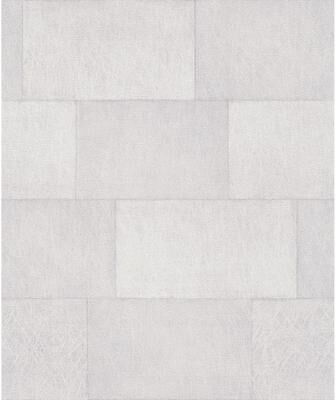
Advantage Lyell White Stone WallpaperEnjoy the natural look of stone with ease with this textured wallpaper. The large white bricks are stacked in rows, the surface imbued with a rough texture of soft, pearlescent finish. Lyell is an unpasted, vinyl on non woven wallpaper.66,99 $*Shipping: 0,00 $Secure redirect to the provider
-
How can you build a DIY aquarium air stone?
To build a DIY aquarium air stone, you can start by gathering a small piece of porous material like a small stone or a piece of ceramic. Next, drill small holes into the material using a small drill bit. Connect an airline tubing to the drilled material using a connector. Finally, attach the other end of the airline tubing to an air pump to provide the necessary air flow for the air stone to create bubbles in the aquarium. **
-
What is saltpeter in masonry?
Saltpeter, also known as potassium nitrate, is a crystalline compound that has been historically used in masonry as a key ingredient in mortar. It helps to improve the setting time and strength of mortar, making it an important component in traditional building practices. Saltpeter can also act as a water repellent, helping to protect masonry structures from water damage and deterioration. **
-
What is a masonry apprenticeship?
A masonry apprenticeship is a training program that allows individuals to learn the skills and techniques necessary to become a professional mason. Apprentices work under the guidance of experienced masons, gaining hands-on experience in tasks such as laying bricks, building walls, and working with various types of stone and concrete. The apprenticeship typically combines on-the-job training with classroom instruction, providing a well-rounded education in the field of masonry. Upon completion of the apprenticeship, individuals are equipped with the knowledge and skills needed to pursue a career as a skilled mason. **
-
Is the masonry training demanding?
Yes, masonry training can be demanding as it requires physical strength, endurance, and attention to detail. Trainees must learn how to handle heavy materials, use specialized tools, and work in various weather conditions. Additionally, they need to understand the principles of construction and be able to follow precise instructions to ensure the structural integrity and safety of their work. Overall, masonry training demands dedication, hard work, and a willingness to learn and improve. **
* All prices are inclusive of VAT and, if applicable, plus shipping costs. The offer information is based on the details provided by the respective shop and is updated through automated processes. Real-time updates do not occur, so deviations can occur in individual cases. ** Note: Parts of this content were created by AI.